- Services
- Dynamic Captions
- Animated Avatars
- BWT Videos
- ChatBot Agents

AI ChatbotsSupport more customers with a friendly greeting and helpful chatbot agent.
- Chatbots Category
- Video Editing

October 2026 Entry
Dynamic Captions Updated With Structured Markup Code 2026-10-10
The goal is to add or structure the information on the page so it is compatable, even attractive, to feed AI chatbots and search engines alike. Tuns out an item list with emojis and short keyword rich info snippets are prime fodder for AI chatbots and search engines. Check out this new feature section I just added...
Dynamic Captions Features & Benefits
- Animated, in-sync captions that highlight key words and match your audio perfectly.
- Boosts viewer engagement by adding motion and visual emphasis to your message.
- Works for silent viewers on platforms that mute audio by default.
- Custom brand-matched styles including colors, fonts, pacing, and overall aesthetics.
- Increases watch time and retention by guiding the viewer's attention.
- Optimized for TikTok, Reels, and YouTube Shorts where fast-scroll content needs strong visuals.
- Multiple caption styles such as pop, slide, bounce, highlight, and color-change.
- Improves accessibility for hearing-impaired viewers and silent environments.
- Compatible with any video length from short clips to long tutorials and product demos.
- Fast 24-hour turnaround so you can publish your content quickly.

Website Business And Helpful Content Update Recovery 2026-10-15
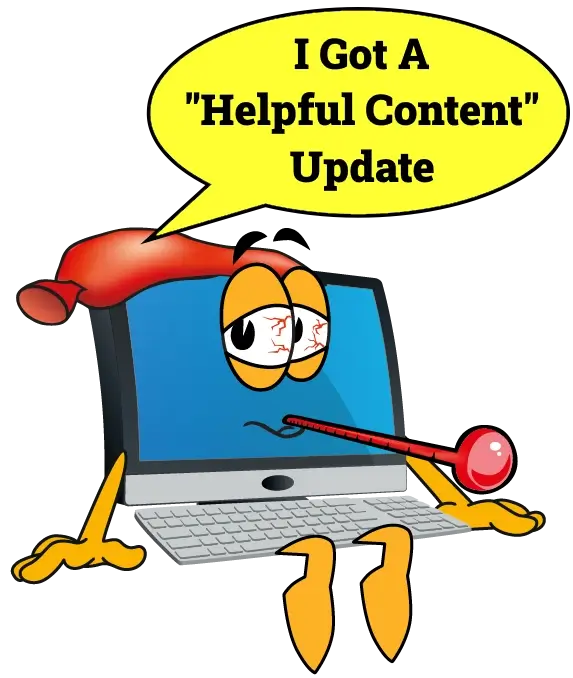
I discovered a page I wrote in early 2008 - right at the beginning of Best Website Tools. Somehow it got orphaned from my content management system and got skipped over on every cleanup and website re-build.
Website Business page was built in an old content system and lived outside SBI's Page Manager (the new content management system). Structurally, it was a great page full of lists, features and benefits, and step-by-step knowledge. It was the kind of content that's extremely AI-friendly today - but it was too short, outdated, and frozen in time.
Modernizing it became the perfect opportunity to turn a legacy tutorial into a rich, experience-driven pillar page for the new AI era. And outlines some actionable steps you can take to recover from Google's Helpful Content update. Check it out...
Brand Identity: Why It Matters 2026-10-25
Strengthening brand identity is the first step in recovery. I had to make my site unmistakably me again. That meant tightening my topical focus, removing old off-topic content, and presenting myself clearly as the creator behind the tutorials, tools, and workflows I publish. Yup, I started repeating my name, brand and experience all over my website.
Google rewards sites that show real experience, real authorship, and a stable niche. Once I made my brand identity obvious (best-website-tools.com) - who I am (Timothy Koen), what I do (website tools), and why my content exists. Google could finally reclassify my site as helpful.
Brand identity isn't about colors, icons and slogans, it's about recognizability and consistency. What Brand Identity means in the new AI search era.
- a clear niche
- a real human creator
- A unified purpose
- Content reflecting real experiences
- Stable publishing history
- A cohesive topic structure
- A real voice and unique perspective
A strong brand identity tells Google the site is created by a real person, it is experience driven and not just another content farm or AI generated pulp fiction. Brand identity is achieved when Google knows who you are, what your site is about andthat you are a real person.
Tip: For BWT's update I remodeled my home page, about, contact and several key article pages first. I added more of my name, my business and my url to my content. I also improved my page metadata to be tighter and more search intent friendly. Namely better titles, keywords and descriptions were optimized for extraction.

Why I Updated All My Category Pages To Be AI Friendly 2026-10-30
Now I am pivoting to optimizing the content library to be more AI friendly. And that means website structure is now more important than creating great content. And for Best Website Tools that means updating the website tier structure so AI can read it better.
To that end I decided to update the category pages. Category pages serve as topic hubs. Categories group related articles and help both visitors and search engines understand what the page is about. They both do that in different aspects of reality.
AI search engines can decipher the coding behind the page where as humans only see the screen. Schema.org markup code structured properly will tell the AI search bots where they can go....to find the best content...right here!!
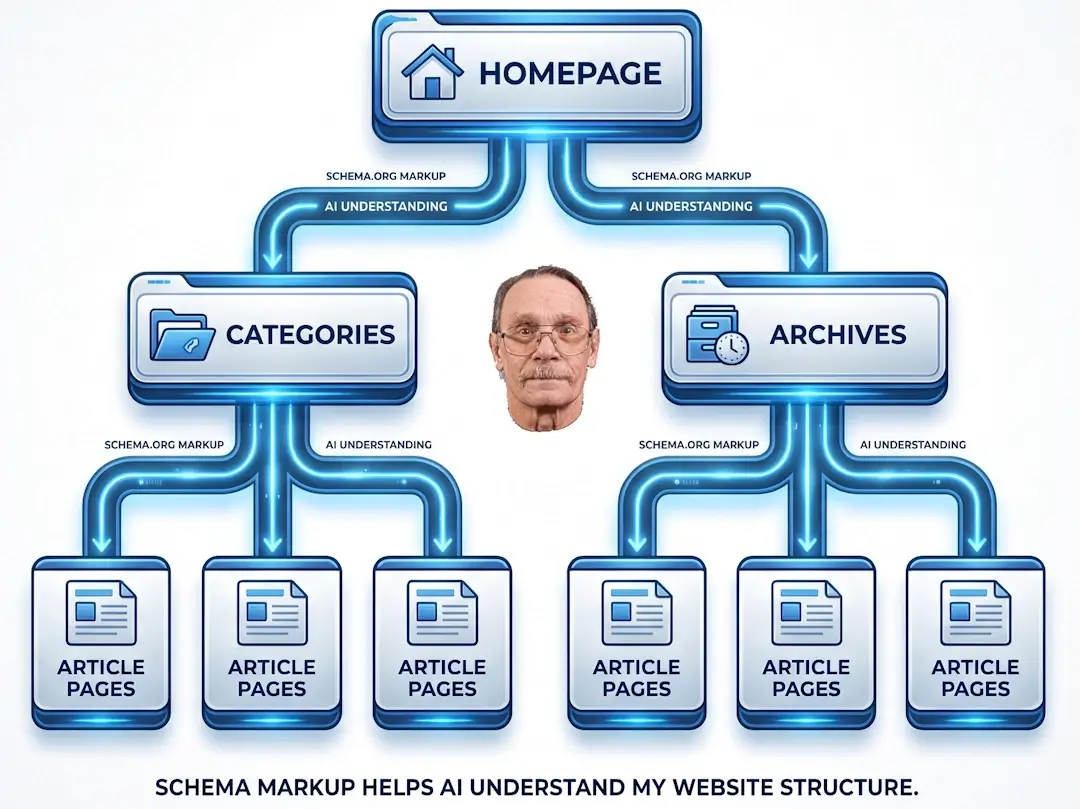
Instead of viewing Best Website Tools as a collection of more than 500 individual pages, I started viewing it as a connected knowledge base. That shift in perspective led me to update all of my category pages with Schema.org CollectionPage markup and improved breadcrumb navigation.
This markup tells search engines and AI systems that a page is not simply another article. It is a collection of related content organized around a specific topic. By implementing CollectionPage markup on category pages, I can explicitly identify:
- The page title
- The page description
- The website relationship
- The publisher
- The page type
- The breadcrumb structure
Instead of forcing AI systems to infer those relationships, the markup defines them directly. But for humans it all boils down to one little word...
Home : Website Tools



61 W. Annabelle Ave. Hazel Park,
MI. 48030-1103, U.S.A.
telephone: (248)546-0374
email: support@best-website-tools.com
© Copyright 2007-2026 All rights Reserved.
Sun: closed
Mon-Fri: 9:00AM to 6:00PM
Sat: 9AM-12:00PM
Closed Holidays
